Introduction: Why the Inside of the Tube Matters
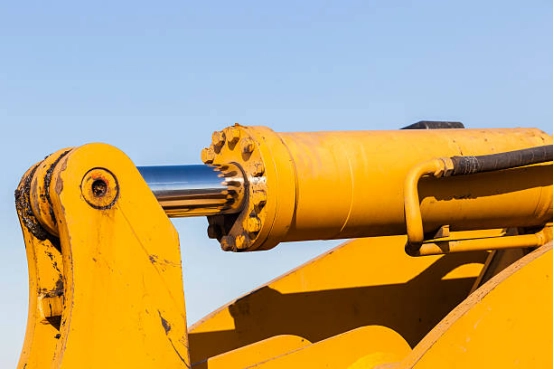
A hydraulic cylinder can be built from strong steel and still fail early. The trouble may start inside the tube. A rough bore can wear a seal. An inconsistent bore can make a piston hesitate under load. On an excavator, that hesitation shows up as a bucket that does not settle smoothly.
The tube guides the piston and supports the sealing system. Its finish affects oil retention, friction, heat and leakage. Honing normally establishes the working bore. Polishing may refine it for a specific seal or duty cycle. The right decision comes from the complete cylinder design, not from making the surface look shiny.
What Are Hydraulic Cylinder Tube Finishes?
Tube finish is more than a roughness number. It covers bore geometry. That means diameter, roundness, straightness and cylindricity. It also includes the texture left after machining. A bored tube may meet a nominal size and still be unsuitable for a piston and seal set. A finished cylinder tube has a controlled internal surface that can support repeatable movement under pressure.
Ra is often used to describe roughness. It is useful, but it is not the whole specification. Seal material and hydraulic pressure change what a good finish looks like. Piston speed, temperature and fluid matter too. A bore that works well in a low-speed agricultural cylinder may not suit a high-cycle construction machine. Measurement and repeatability matter more than visual smoothness.
Why Honing Is Essential for Hydraulic Cylinder Tubes
Honing is a controlled abrasive process used after boring or other machining. The stones remove small geometry errors and bring the bore closer to the required diameter and shape. A good hone also creates a consistent cross-hatch pattern. That pattern is functional. It holds a thin oil film on the wall so the seals can slide without running dry.
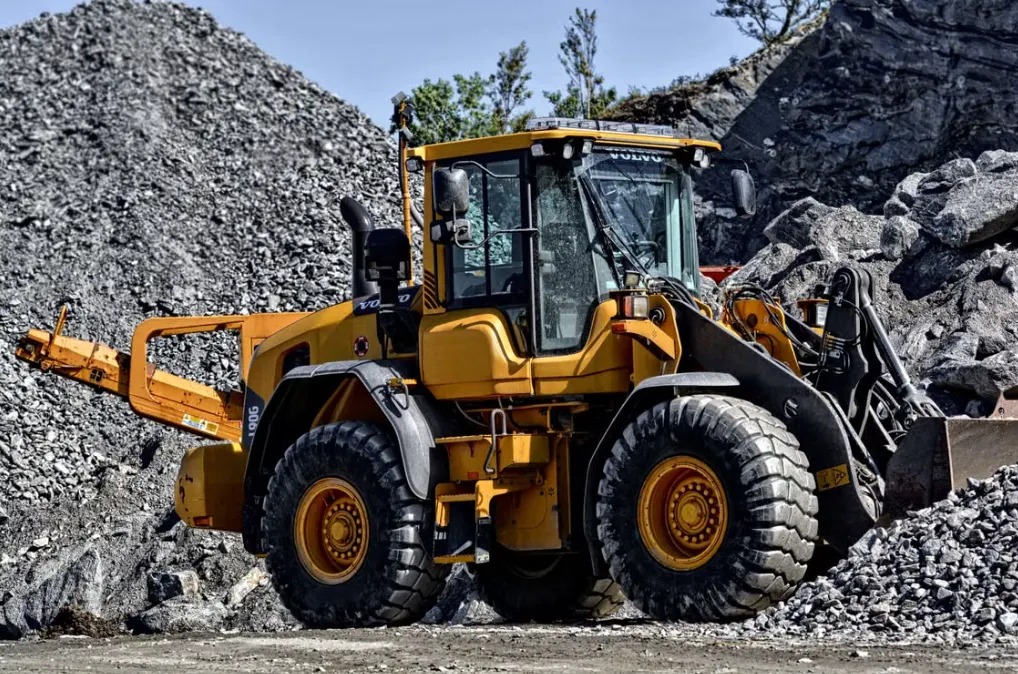
On a heavy excavator cylinder, the result is easy to feel. The rod starts without a sharp jump. The bucket holds position with less internal leakage. Across thousands of cycles, lower friction becomes seal life and uptime.
Honing also supports the piston and wear rings. A consistent bore gives those parts a stable surface under load. Poor roundness can load one side of a seal. The cylinder may pass a short bench test, then leak after working in dust, heat and side load.
Abrasive residue must be removed after honing. The bore should stay protected through assembly because one particle can damage a seal or reach the wider hydraulic circuit. Do not use one universal Ra value. Specify the finish around the seal system and operating requirement.
When Polishing Adds Value
Polishing is a finer step used when an application benefits from a smoother and more uniform surface. It can reduce sharp asperities and improve seal travel. In a cylinder with frequent small movements, that may reduce friction and local wear.
Polishing cannot rescue a tapered or out-of-round bore. It can also go too far. Removing too much texture may reduce oil retention. The useful finish depends on the seal material and working pressure. Piston speed and temperature matter too. Corrosion protection and other treatments need the same discipline.
Honing vs Polishing: Which Finish Should You Specify?
The choice is easier when each process has a clear purpose. Honing is the normal route to an accurate, functional bore. Polishing is an application-specific refinement. A drawing should state the required result, not only the process name.
| Factor | Honing | Polishing | Best fit | Caution |
| Main purpose | Establish bore geometry | Refine the surface | General cylinder production | Surface name alone is not a specification |
| Typical result | Controlled cross-hatch | Lower asperity | High-cycle equipment | Too smooth can reduce oil retention |
| Main benefit | Lubrication and seal support | Smoother seal travel | Special seal or friction needs | Verify the complete seal design |
The specification should account for pressure and duty cycle. Side load, contamination risk, temperature and seal design matter too. A short drawing checklist helps:
- Bore diameter and tolerance
- Roundness and straightness requirement
- Roughness range and measurement method
- Tube material and corrosion protection
- Cleaning, inspection and packaging records
How Tube Finish Affects Seals, Efficiency and Service Life
The finish shows up in the seal before it appears in a maintenance report. Excessive roughness can abrade the sealing lip. A poor texture can interrupt lubrication and raise sliding resistance. The result may be internal leakage, a jerky stroke or unexplained heat.
Lower friction also means less hydraulic energy turned into heat. That matters on a machine that runs all day. Cleanliness matters just as much. A finished bore with abrasive grit still inside can damage seals, valves and pumps. When a cylinder develops leakage or unstable speed earlier than expected, the tube finish and cleaning process deserve a close look.
What to Ask a Hydraulic Cylinder Manufacturer
A supplier should discuss the cylinder as a working assembly. Ask how the bore is measured and how results are recorded. Ask how the finish is matched to the seal set. Ask about material and temperature range. Ask about corrosion protection, cleaning and packaging. The answers should relate to the machine, not only a catalog label.
For an OEM developing hydraulic cylinders for excavators, application data is more useful than a generic request for a smooth tube. The same applies to agricultural machinery hydraulic cylinders that face repeated cycles and changing field conditions.
Shining Hydraulic works with customized cylinder requirements for several equipment markets. Its product range includes welded cylinder designs. Related components such as a hydraulic hose assembly can also affect installation and service reliability.
Conclusion: Tube Finish Is an Engineering Specification
A reliable cylinder starts with a bore that suits its seals and its workload. Honing creates the functional geometry and oil-retaining texture. Polishing can refine that surface when the application needs it. Neither process should be chosen by appearance alone. Finish, cleanliness and inspection belong in the cylinder specification.
Send a drawing or application brief to contact Shining Hydraulic for a practical recommendation on tube finish, seals and complete hydraulic cylinder design. Include the bore size and stroke. Add pressure, quantity and operating environment. Those details turn a general question into a buildable solution.
FAQ
Q: Is polishing always required for a hydraulic cylinder tube?
No. A correctly honed bore suits many hydraulic cylinders. Polishing is justified when the seal design or operating conditions call for a finer surface.
Q: What does the honing cross-hatch do?
It retains a thin oil film on the tube wall. That film supports seal movement and reduces dry sliding. The pattern must remain controlled.
Q: What information should be sent for a tube finish recommendation?
Provide the bore diameter and stroke. Add pressure, piston speed, fluid and temperature. Seal details, quantity and duty cycle are useful too. A drawing can prevent a finish decision that ignores the real load path.