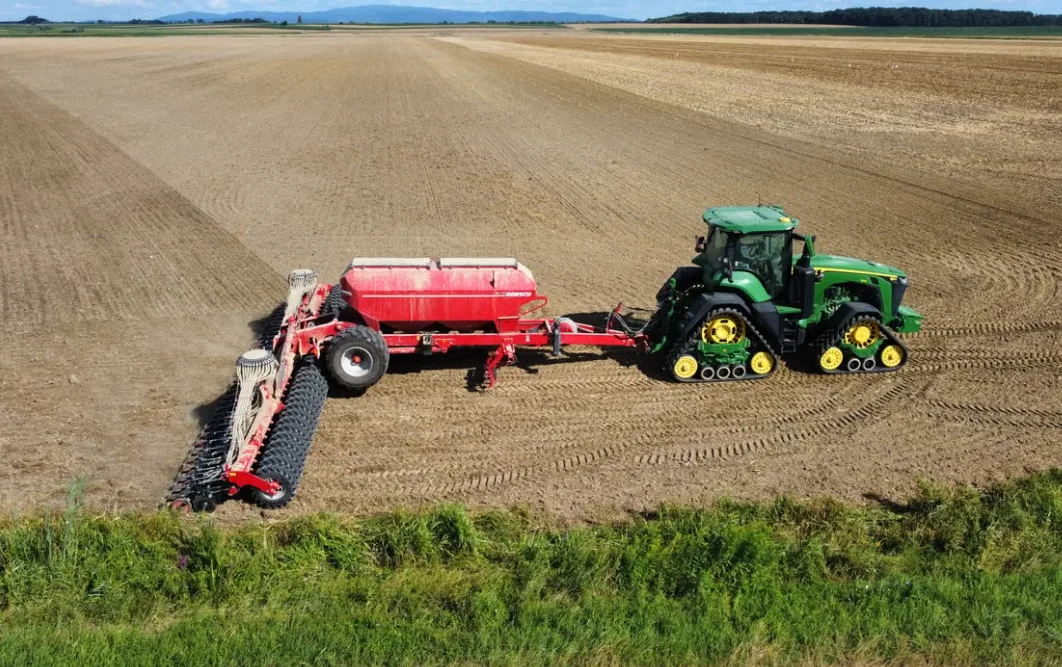
Introduction Why Seeder Depth Control Depends on Hydraulic Performance
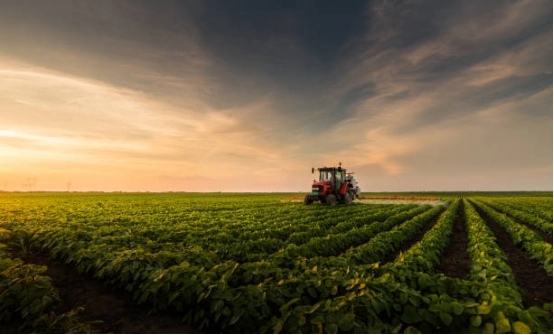
Seed depth is not a small detail. A few millimeters of variation can produce uneven emergence. The problem becomes obvious when a seeder crosses a compacted patch or drops into softer soil. The opener reacts differently and the next rows do not match the first ones.
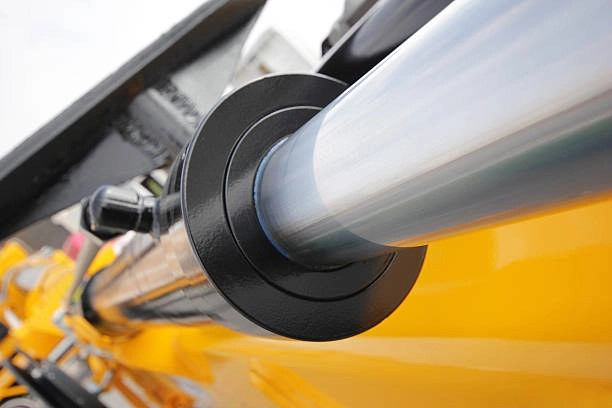
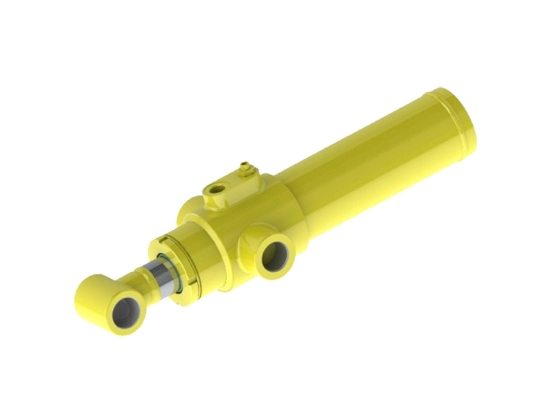
The depth-control cylinder sits in the middle of that process. It must deliver force, move at a predictable speed and hold position while the frame vibrates. A cylinder chosen only by bore size may work on the drawing and disappoint in the field. The real requirement includes linkage geometry, pressure, stroke and sealing.
What the Hydraulic Cylinder Does in a Seeder Depth Control System
Depending on the layout, a cylinder may adjust gauge wheels, opener assemblies, toolbar sections or a parallel-link mechanism. It may apply downforce during planting, lift the section for transport or change depth at the headland.
Those jobs are different. A lifting cylinder can tolerate a different response from one that maintains opener depth in motion. During field work, the cylinder must hold position as soil resistance changes. If it reacts too slowly, depth drifts. If it moves too aggressively, the opener can bounce.
The design target is controlled movement. That target leads directly to load and pressure calculations.
Load and Pressure Requirements for Seeder Depth Control Cylinders
Bore diameter determines pushing force at a given pressure. It is only one part of the calculation. The engineer also needs opener downforce, soil condition, row count, linkage ratio, cylinder angle and impact load when the opener enters the ground.
Static holding force is not the same as peak field force. A dry strip can create a pressure spike. An undersized cylinder may reach relief pressure before the opener reaches depth. The response feels soft or delayed. An oversized cylinder adds weight and may consume more flow than the valve or pump can provide.
Rod diameter deserves attention. A long rod working at an angle can face buckling or bending loads. Side load should be carried by the linkage or guide system rather than the rod seal. A safety margin is useful, but oversizing cannot compensate for a poor load path.
Once the force requirement is clear, the cylinder has to fit the machine and follow its movement.
Geometry Mounting and Stroke Selection
Closed length, open length and stroke define the adjustment range. A cylinder can have enough force and still fail if it reaches the end of its stroke before the opener reaches depth.
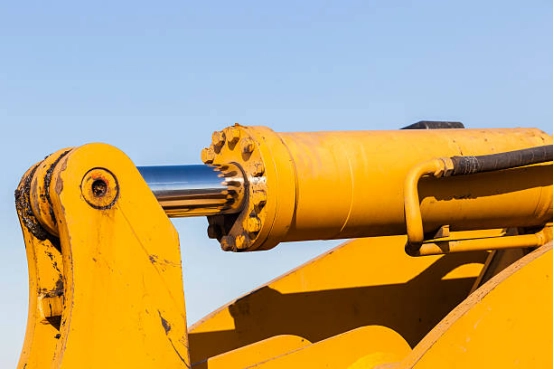
Check mounting points through the full motion envelope. Pin diameter, clevis width and joint articulation matter. Misalignment creates side load and accelerates rod, bushing and seal wear. Cross-tube mounts may suit a fabricated frame. Clevis or spherical connections may be better where the linkage changes angle.
Clearance is easy to miss. Hoses, fittings and pivoting members need space when the frame folds. In a multi-row seeder, tandem cylinders or synchronization may be needed to keep a long section level. The drawing should show closed and open positions, not only nominal stroke.
Response Speed Cushioning and Depth Stability
Flow rate and valve response control cylinder speed. Fast adjustment sounds attractive until the opener reaches a hard patch and the cylinder responds with a sharp correction. That movement can disturb the seedbed.
Cushioning near the end of stroke absorbs impact before it reaches the pins, brackets and frame. It should protect the mechanism without making adjustment sluggish. The right setting depends on cylinder volume, flow, load and hydraulic temperature. A system that feels smooth in a cold workshop may respond differently after hours in the field.
Low-friction seals and a consistent bore also help. On uneven ground, predictable movement is more useful than maximum speed. Testing should include realistic pressure, temperature and repeated cycles.
Sealing Materials and Protection in Agricultural Conditions
Agricultural cylinders work around dust, mud, fertilizer residue, water and outdoor storage. The rod wiper must keep contamination out while the pressure seal controls leakage. Seal material should match the fluid, temperature, speed and pressure.
Rod corrosion is another concern. Moisture on an exposed rod can damage the surface and cut the seal during retraction. Proper plating or another verified protection method can extend service life. Cleaning matters too. Abrasive particles inside the tube can damage seals and reach valves or pumps.
For equipment makers reviewing agricultural machinery hydraulic cylinders, packaging and inspection should be part of the specification, not an afterthought.
Integrating the Cylinder with the Seeder Hydraulic System
Cylinder volume, pump flow and valve capacity determine response. Hose routing needs attention around folding wings and moving toolbar sections. A hose rubbing against a bracket may pass a bench test and fail during transport.
Air should be removed during commissioning. Port orientation must match the layout. Pressure-relief settings influence how firmly the system holds depth when soil resistance rises. With electronic depth monitoring, sensors and feedback logic need to match the cylinder’s usable stroke.
The cylinder is one part of the circuit. A reliable result comes from matching it to the valve, hose, mounting and control strategy.
What to Request from a Hydraulic Cylinder Manufacturer
A manufacturer should review the complete application. Provide load cases, drawings, pressure, speed and installation conditions. Ask how bore diameter, straightness and surface finish are measured. Ask how seals are selected for dust, moisture and temperature.
Ask about rod protection, cushioning, mounting options, synchronization and sample approval. Inspection records should cover machining, cleaning, assembly and final inspection. Packaging should protect the cylinder until installation.
Shining Hydraulic supports application-focused designs for agricultural equipment and other machinery sectors. Its range includes hydraulic cylinders for grain harvesters and hydraulic cylinders for film-wrapping balers.
Seeder Cylinder Specification Checklist
- Required force and working pressure
- Bore diameter and rod diameter
- Stroke and closed/open lengths
- Mounting type and pin dimensions
- Duty cycle and adjustment speed
- Cushioning requirement
- Seal and wiper specification
- Rod corrosion protection
- Hose routing and port orientation
- Inspection and packaging requirements
This checklist helps an OEM turn field requirements into a production-ready drawing. It also gives the supplier enough information to recommend a cylinder instead of guessing from a single dimension.
Choose the Cylinder Around the Depth Control Job
Seeder depth control depends on force, geometry and response working together. Bore size alone does not define the right cylinder. Mounting, cushioning, sealing and environmental protection can decide whether the system remains stable after a full season of field work.
Request a Seeder Cylinder Review
Send row count, target depth range, operating pressure, stroke, soil conditions, cycle frequency and mounting dimensions with the drawing. Contact Shining Hydraulic for a tailored review of cylinder size, seals, mounting and hydraulic integration.
FAQ
Q: How do I size a hydraulic cylinder for seeder depth control?
Size it according to downforce, soil resistance, linkage geometry, working pressure, stroke and dynamic loads. Bore diameter alone is not enough.
Q: Does a seeder depth-control cylinder need cushioning?
Cushioning is useful when the cylinder approaches the end of its stroke quickly or when frame impact could disturb planting depth. The setting should protect the linkage without slowing normal adjustment.
Q: What information should an OEM provide for a quotation?
Send a drawing with bore diameter, stroke, working pressure, cycle rate, mounting dimensions, seal conditions, row count and expected quantity. Soil conditions and operating temperature are also helpful.