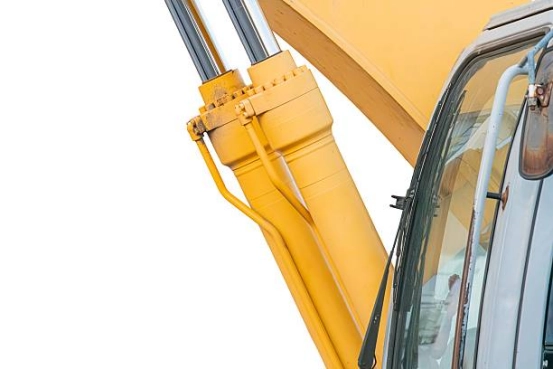
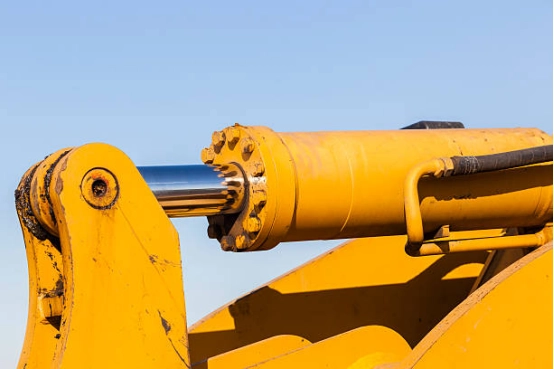
A hydraulic cylinder can have the right bore and stroke and still fail early. Salt reaches the rod. Abrasive dust scores the surface. A seal hardens during a cold start. Material selection affects leakage and fatigue life. It also sets maintenance cost.
Select the barrel and rod first. Then match the seals, guides, and finishes to them. The strongest catalog material may not suit pressure and side load when contamination and temperature rise.
What Is Considered a Harsh Operating Environment?
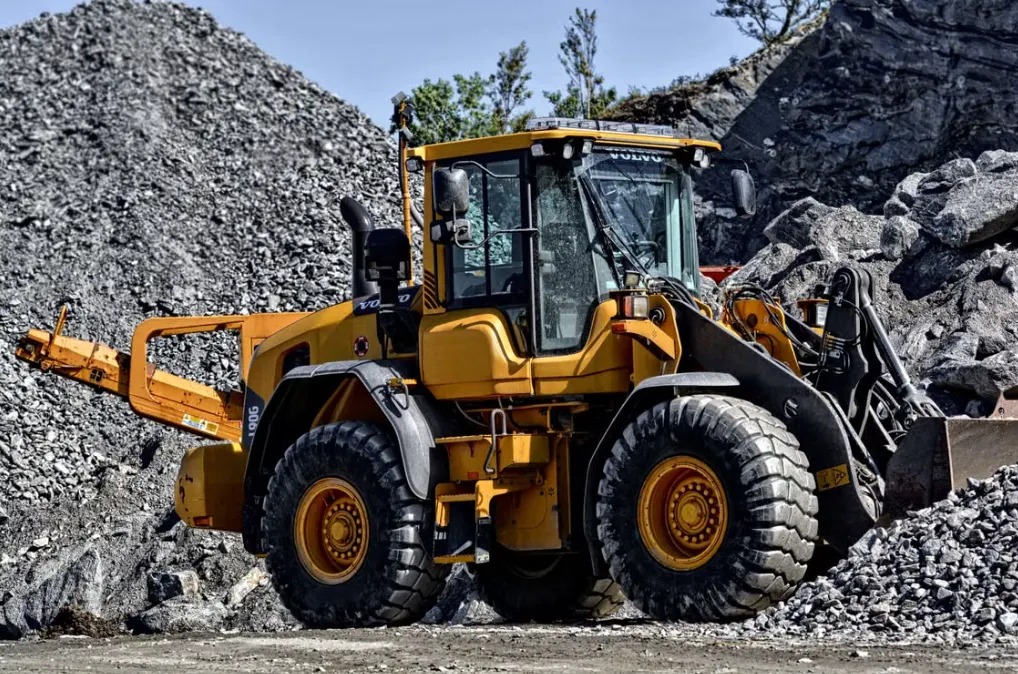
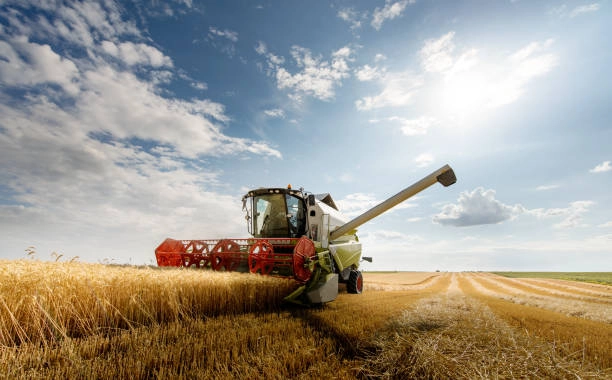
Marine equipment is one example. Mining and construction machinery are another. Chemical plants and foundries have their own exposure patterns. Agricultural and washdown equipment do too. Freezing equipment adds condensation corrosion and less flexible seals.
An excavator may face abrasive particles, shock loading, water spray, and long idle periods in the same week. That combination should drive the material decision.
Evaluate the Application Before Choosing Materials
Start with operating data. Record working pressure and pressure spikes. Note push and pull loads. Record side loads. Add speed, cycle frequency, and service hours. A hydraulic cylinder sizing guide can check basic force assumptions.
Identify chemicals and salt. Note fertilizer and cleaning agents. Record dust, mud, and standing water. Define minimum and maximum temperatures for the machine and fluid. Outdoor storage may add conditions absent from factory testing.
Choose the Right Material for Each Cylinder Component
Each cylinder component has a different job. Strength matters in the barrel and rod. Surface finish governs sealing. Chemical compatibility can determine service life.
Cylinder Barrel Materials
Honed carbon steel remains common for its strength and machinability. It also controls cost. The honed bore gives piston seals a controlled surface. Alloy steel suits higher pressure or fatigue loading.
Stainless steel is useful where external corrosion is persistent. It is common in marine equipment and chemical handling. Washdown machinery and some food-processing lines also use it. Stainless is not an automatic answer to every chemical. The grade must match the exposure. Seals and surface finishes must match it too. Shining Hydraulic’s corrosion-resistant hydraulic cylinder products can be evaluated against that exposure.
A thin stainless barrel may resist rust yet deform under a pressure peak. A properly engineered carbon-steel barrel with a robust coating can outperform it in a less corrosive setting. Balance pressure and fatigue. Check weldability and cost.
Piston Rod Materials
Standard chrome-plated carbon steel rods work well in many indoor and mobile applications. Performance depends on chrome thickness and hardness. Coating adhesion matters. So do porosity and final surface finish. A bright rod is not necessarily a durable rod.
Saltwater and abrasive contamination expose basic chrome’s limits. Induction hardening improves wear resistance. Stainless rods help with continuous corrosion. Nickel-chrome systems can provide a stronger barrier than stainless alone.
Mud trapped under a damaged wiper can score the coating on every cycle. On a forestry machine, a tougher rod surface paired with an effective scraper may add more service life than changing the barrel material.
Seal and Guide Materials
Metal selection cannot compensate for an incompatible sealing package. Nitrile suits many mineral oils and moderate temperatures. Polyurethane offers abrasion resistance. Fluorocarbon handles higher temperatures and many aggressive fluids. PTFE-based seals can reduce friction across a broad temperature range.
The choice depends on fluid chemistry and pressure. Speed matters. So do temperature and contamination. Wear rings align the piston and rod. Wipers keep particles away from pressure seals. In an aggregate plant, wiper design may matter more than a small increase in rod hardness.
Use Coatings and Surface Treatments for Additional Protection
Coatings add a defensive layer, but they are not a substitute for sound design. Hard chrome remains widely used. Nickel-chrome and electroless nickel suit corrosion control. Thermal-spray and ceramic-based systems suit severe abrasion.
External barrel surfaces may use industrial paint or powder coating. Surface preparation controls adhesion. Define thickness and edge coverage. Define porosity limits and repair procedures. A salt-spray finish may not tolerate repeated stone impact. Ask how it is inspected and repaired.
Match Materials to the Operating Environment
The table below gives a starting direction. Final material grades still need to be checked against load and fluid data.
| Environment | Recommended Material Direction |
| Marine or offshore | Stainless components, corrosion-resistant rod coating, marine-grade external finish |
| Mining and construction | High-strength barrel, induction-hardened rod, abrasion-resistant seals and wipers |
| Chemical processing | Compatible stainless or alloy grades, chemically resistant seals |
| Extreme heat | Heat-resistant seals, compatible fluid, materials with stable mechanical properties |
| Freezing conditions | Low-temperature seals, suitable fluid, protection from condensation corrosion |
| Food or washdown equipment | Stainless surfaces and washdown-compatible sealing materials |
Avoid These Common Material Selection Mistakes
Choosing on purchase price alone is a common error. So is specifying a standard chrome rod for continuous saltwater exposure. Other failures come from ignoring fluid compatibility or assuming every stainless grade behaves the same in a chemical plant.
Coatings are sometimes named without inspection requirements. Seal substitutions may ignore temperature limits. Side loads and contamination are left out because the nominal load looks acceptable. These shortcuts return as scoring or leakage. Cracked seals and downtime follow.
Work With an Experienced Hydraulic Cylinder Manufacturer
Harsh-environment cylinders need coordinated decisions. Barrel grade and rod treatment affect the result. Seals and guides matter too. Tolerances, welding, cleaning, and testing complete the picture. A component-by-component purchase leaves gaps.
Shining Hydraulic develops hydraulic cylinder solutions for machinery and equipment applications. An engineering review should include working and peak pressure. It should cover stroke and load direction. Mounting style, temperature, fluid, duty cycle, and corrosion exposure complete the review. This supports a comparison of standard and upgraded material paths. See the hydraulic cylinders for construction machinery range for one application context.
Need a cylinder for corrosive or abrasive service? Extreme-temperature work needs the same care. Share operating conditions through custom hydraulic cylinder engineering support and request a design review. Early material decisions are easier to change than a failed cylinder in the field.
Frequently Asked Questions
Q: Is stainless steel always the best material for a corrosive environment?
No. The correct grade depends on the chemical and temperature. A coated alloy-steel rod may offer better wear resistance. Seal compatibility still needs checking.
Q: What piston rod material is suitable for mining equipment?
Mining cylinders usually need a hard rod plus protection from abrasive particles. Induction hardening and engineered coatings are common directions. Durable seals and effective wipers matter too. The choice depends on impact and contamination.
Q: Can standard hydraulic cylinder seals be used in high-temperature service?
Not reliably. Seal compounds have temperature and fluid limits. Nitrile may suit moderate conditions; fluorocarbon or PTFE-based options may suit sustained heat. Confirm fluid temperature.
Q: What information should be sent when requesting a material recommendation?
Provide pressure and load. Add stroke, speed, cycle frequency, fluid, and temperature. Include mounting details and contacting substances. Photos can clarify conditions.