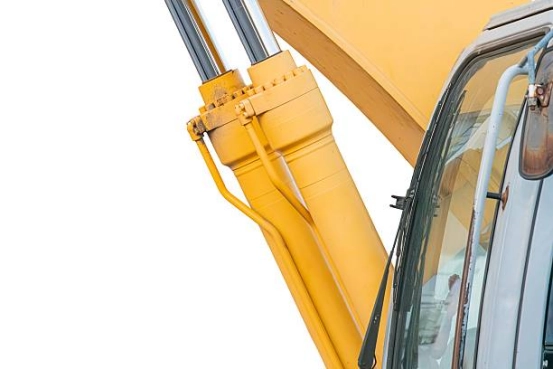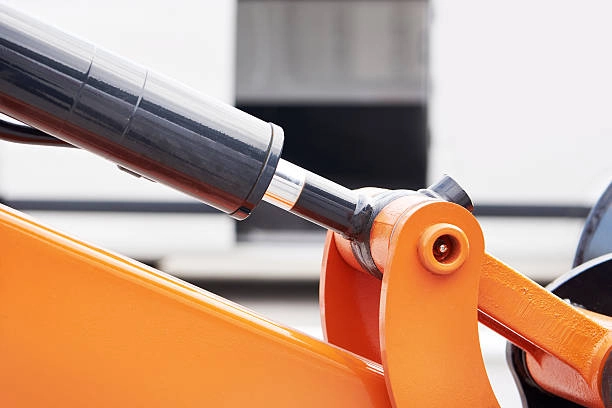
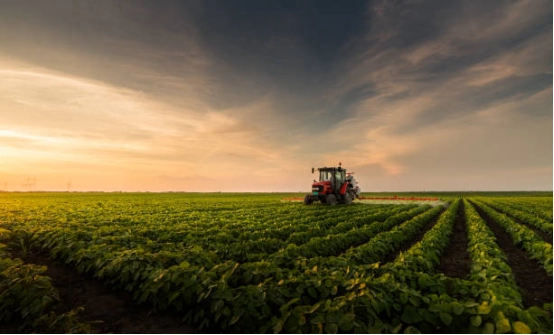
Tractor hydraulic cylinders do more than move a rod in and out. They transfer hydraulic pressure into controlled mechanical movement. That movement may raise an implement, tilt a loader bucket, position a baler, or support steering and suspension functions.
For an OEM buyer, the wrong cylinder can create problems long after assembly. Leakage, unstable movement, bent rods, premature seal wear, and warranty claims often begin with an incomplete specification. The right selection starts with the tractor’s working conditions and ends with a manufacturer that can support repeatable production.
Where Hydraulic Cylinders Are Used on Tractors
The same tractor may use several cylinder designs. Each one works under a different load pattern, so a cylinder suitable for a light implement may not be appropriate for a front loader.
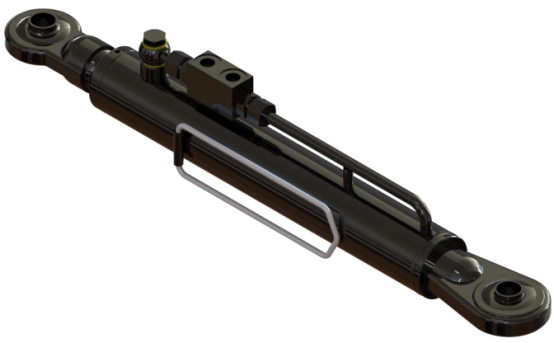
Three-point hitch and implement lifting
Three-point hitch systems need controlled lifting and lowering. The cylinder must provide enough force for the implement and the soil conditions it encounters. A plow may move easily in dry soil and face a sharp load increase in compacted ground.
Mounting geometry matters here. If the pin positions do not match the linkage movement, the cylinder can experience side loading near the end of its stroke. That stress may not be obvious during a short test. It becomes more serious after repeated field cycles.
Steering and axle or suspension systems
Steering cylinders need predictable movement. Excessive internal leakage can create sluggish response or uneven steering. These cylinders also face vibration and shock from uneven ground.
Axle or suspension applications may require a different balance between strength and movement speed. The cylinder must follow the suspension geometry without binding. Rod protection is important when the unit is exposed to mud, stones, and moisture.
Front loaders and attachments
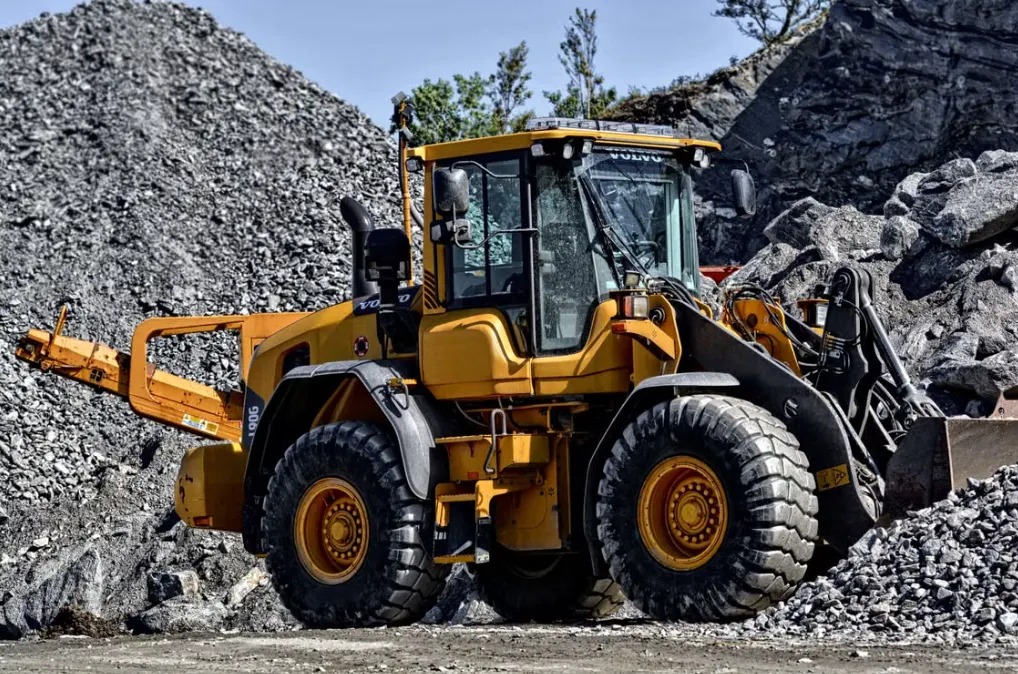
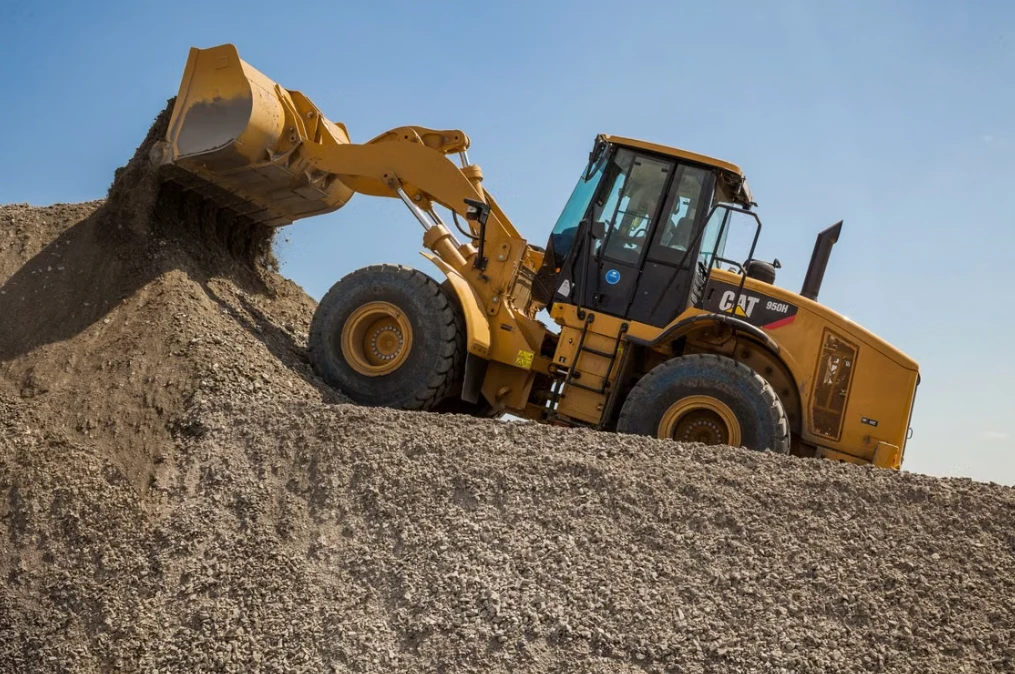
Loader cylinders often operate under high loads with frequent reversals. Lift cylinders carry the main load. Tilt cylinders respond to changes in bucket position and material weight.
A tractor loading wet soil or gravel can produce short pressure spikes. The cylinder needs enough structural margin for those events. Mounting pins and bushings need attention as well. A strong cylinder body cannot compensate for poor alignment in the surrounding linkage.
Agricultural implements
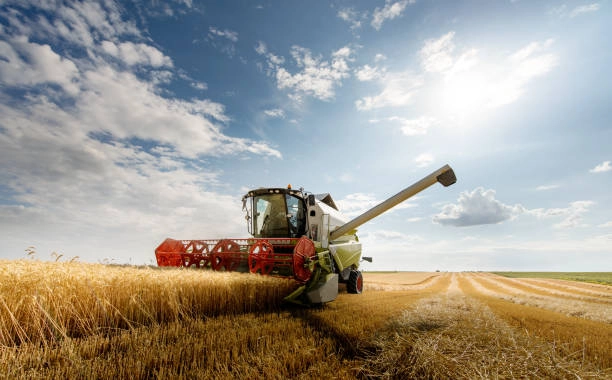
Plows, seeders, balers, and wrapping equipment each place different demands on hydraulic actuation. Some applications require a long stroke. Others need compact retracted dimensions because space is limited around the implement frame.
Shining Hydraulic supplies hydraulic cylinders for agricultural machinery across several agricultural applications. The cylinder should be selected as part of the complete tractor and implement system, not as an isolated replacement part.
Key Specifications OEM Buyers Must Define Before Ordering
A quotation request becomes much more useful when the application data is complete. Basic dimensions are not enough. The manufacturer needs to understand how the cylinder will be loaded, installed, and used.
Bore diameter and required force
Bore diameter affects pushing force through the effective piston area. The required bore depends on system pressure and the maximum load at the cylinder.
An oversized bore adds weight and can increase oil demand. An undersized bore may deliver acceptable force in a workshop test but struggle in the field. Load calculations should include the linkage ratio and the worst working position.
Rod diameter and buckling resistance
The rod carries tension and compression. Compression loads become critical when the cylinder is extended and the external force acts against it.
Rod diameter should be checked against stroke length, mounting arrangement, and possible side loads. A long, slender rod is more sensitive to bending. This is where a small change in design can prevent a costly field failure.
Stroke length and retracted length
Stroke determines how far the actuator can move. Retracted length determines whether it fits inside the machine.
The drawing should show working limits, mechanical stops, and clearance around the rod end. A cylinder that has the correct stroke but cannot retract far enough may interfere with the implement frame during transport.
Working pressure and peak pressure
Normal operating pressure is only part of the picture. Pressure spikes may occur when an attachment meets resistance or when a valve changes direction quickly.
OEM buyers should provide continuous pressure, maximum pressure, hydraulic flow, and expected cycle frequency. These details influence tube thickness, rod design, seals, and testing requirements.
Mounting configuration and geometry
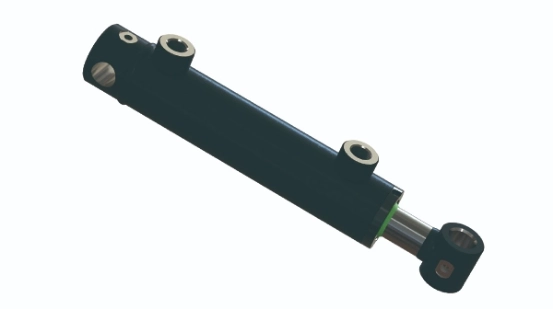
Clevis mounts, cross-tube mounts, flange mounts, and trunnions serve different installation layouts. Pin diameter and mounting width must match the surrounding structure.
The cylinder should move through the full mechanical arc without forcing the rod sideways. A basic installation drawing with pin centers and angles can reveal issues before the prototype stage.
Hydraulic ports and connection standards
Port thread, port position, hose routing, and service access should be confirmed before production. Port placement that works on a test bench may be awkward once the cylinder is installed between a frame and an implement.
| Specification | Why it matters |
| Bore and rod diameter | Determines force and structural strength |
| Stroke and retracted length | Defines movement and installation space |
| Operating pressure | Sets the basic design and test requirements |
| Mounting dimensions | Prevents fit and alignment problems |
| Port type and location | Supports correct hose connection and service access |
| Duty cycle and environment | Guides seal, guide, and corrosion decisions |
Durability Factors in Agricultural Environments
Agricultural equipment works in conditions that are hard on hydraulic components. Dust reaches exposed surfaces. Mud dries on the rod. Fertilizer residue can accelerate corrosion. Machines may also sit outdoors for long periods.
Scraper seals help keep contamination away from the internal sealing area. Guide rings and piston seals must suit the expected pressure and movement. Rod surface protection is equally important. Once the rod is scratched or corroded, seal wear usually follows.
Duty cycle should be discussed early. A cylinder used occasionally on a plow has a different service profile from one cycling repeatedly on a baler. Service access and replacement seal availability deserve attention too.
How OEM Buyers Should Evaluate a Hydraulic Cylinder Manufacturer
Price matters, but it does not reveal whether the cylinder will behave properly after installation. The supplier should be able to discuss the application in practical terms.
Engineering and application support
The manufacturer should review load data, pressure, stroke, drawings, and mounting geometry. Useful engineering support may identify side loading or insufficient clearance before samples are made.
Manufacturing capability
Consistent machining, welding, assembly, and surface treatment are essential for OEM programs. Small dimensional variations can create fit problems when hundreds or thousands of units enter production.
For applications requiring welded construction, welded hydraulic cylinder solutions may be evaluated against the machine’s load and packaging requirements.
Quality inspection and testing
Ask how dimensions, welds, pressure resistance, leakage, and function are checked. The inspection method should match the risk of the application.
A pressure test is useful, but it is not the whole quality process. Mounting dimensions and rod movement also need verification.
Prototype-to-production support
A useful supplier stays involved after the first drawing review. Prototype feedback may lead to a revised port position, a stronger rod, or a different seal arrangement. That feedback should be carried into batch production.
Logistics and communication
Packaging, documentation, shipment timing, and response speed affect the OEM’s production schedule. Shining Hydraulic offers hydraulic technical support and service alongside its manufacturing activities. This kind of support is valuable when a cylinder needs adjustment during machine development.
Why Application-Specific Design Is Better Than a Generic Cylinder
A generic cylinder can match the bore and stroke and still be wrong for the machine. It may have an unsuitable mounting angle, weak rod support, poor port access, or seals that do not tolerate the working environment.
Application-specific design considers the real load path. It can improve movement speed, structural strength, service life, and installation reliability.
An OEM request should include the machine function, maximum load, pressure, bore, rod, stroke, retracted length, mounting drawing, working environment, and expected annual quantity. Better input produces a more useful technical review.
Shining Hydraulic’s Role as an OEM Partner
Shining Hydraulic is based in Yantai, China, and focuses on hydraulic cylinders and related technical solutions. Its agricultural product range includes tractor cylinders, plow cylinders, round baler cylinders, square baler cylinders, and film-wrapping baler cylinders.
For an OEM team, an integrated supplier can simplify communication across design, production, inspection, and delivery. Shining Hydraulic combines R&D, manufacturing, sales, and quality inspection within its service model. That structure supports projects that need more than a standard catalog item.
The practical starting point is an application drawing or specification sheet. From there, the cylinder design can be reviewed against the tractor’s actual operating conditions.
OEM Buyer Checklist Before Requesting a Quote
- Application and machine function
- Maximum load and system pressure
- Bore, rod, stroke, and retracted length
- Mounting type and pin dimensions
- Side-load and alignment conditions
- Operating temperature and contamination
- Annual quantity and delivery schedule
- Required inspection documents
Frequently Asked Questions
Q: What type of hydraulic cylinder is commonly used on a tractor?
The type depends on the function. A three-point hitch may need a compact lifting cylinder. A loader may require a heavier design for repeated high-load cycles. Steering and suspension systems add their own geometry and response requirements.
Q: How do I size a tractor hydraulic cylinder?
Start with required force and available system pressure. Then check stroke, retracted length, rod strength, mounting geometry, flow, and duty cycle. Final sizing should be verified against the complete machine design.
Q: Can a hydraulic cylinder manufacturer provide an OEM solution?
Yes. A capable manufacturer can review drawings, application data, and production requirements. The buyer should confirm customization, testing, inspection documents, sample approval, and batch consistency before placing a production order.
Conclusion
Selecting hydraulic cylinders for tractors requires more than matching two dimensions. Load behavior, alignment, seals, exposure, testing, and production consistency all affect field performance.
OEM buyers can send drawings, pressure data, or target dimensions to contact Shining Hydraulic for a technical discussion about their tractor or agricultural machinery project.